The Importance of Fabric in the Manufacturing of Durable Uniforms
An in-depth analysis of how material selection directly impacts the lifespan and comfort of workwear.
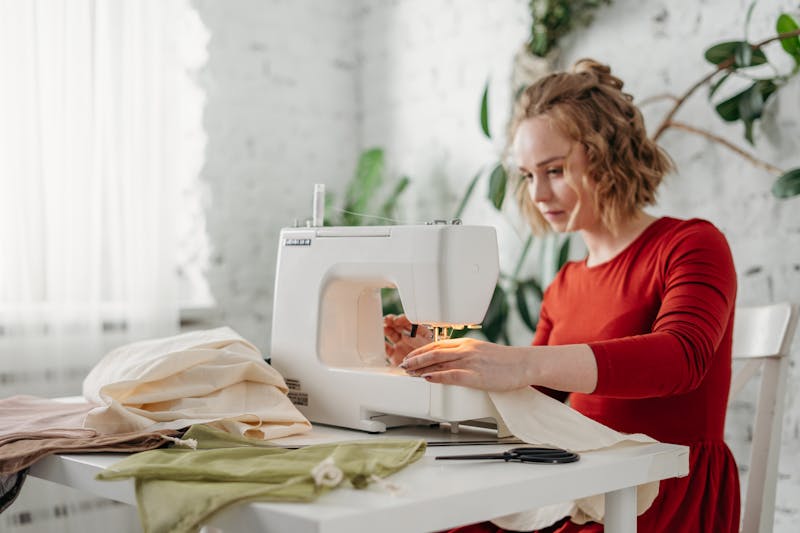
Fabric quality is appreciated in the details of the weave.
In our manufacturing workshop in Gamarra, we have learned that the success of a corporate uniform does not begin at the sewing machine, but in the choice of fabric. An unsuitable material can turn an investment into a recurring expense.
For basic cotton polo shirts, we prioritize combed cotton pique. This weave, denser and with less lint, offers greater resistance to frequent industrial washings, maintaining its color and shape. It is the choice for sectors such as logistics or hospitality, where the garment is subjected to daily stress.
"The durability of a uniform is 60% material, 30% manufacturing, and 10% maintenance. Choosing the first factor poorly compromises the entire process."
In the case of aprons for restaurants, the story is different. Here, waterproofing and stain resistance are key. We use treated cotton and polyester blends, which repel common liquids like oils and sauces, facilitating cleaning and prolonging the garment's lifespan in a high-demand environment.
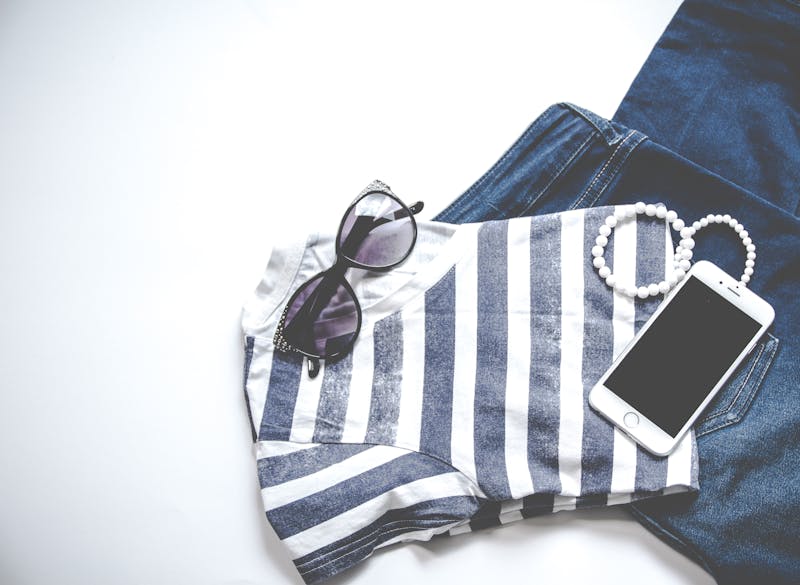
Fabric comparison: combed cotton, poly-cotton blend, and technical fabric.
What do we evaluate in our workshop?
- Weight and Density: An adequate weight ensures opacity and resistance without sacrificing breathability.
- Fiber Composition: The percentage of cotton, polyester, or technical fibers defines the behavior during washings, wrinkles, and user comfort.
- Fabric Finish: Anti-shrinkage or easy-iron treatments add value for the end customer.
- Practical Tests: We perform test washings to verify color fastness and dimensional stability before starting mass production.
This quality control of the raw material is what allows us, as a manufacturing workshop in Gamarra, to guarantee uniforms that not only meet delivery deadlines but exceed durability expectations, representing real savings for our B2B clients.